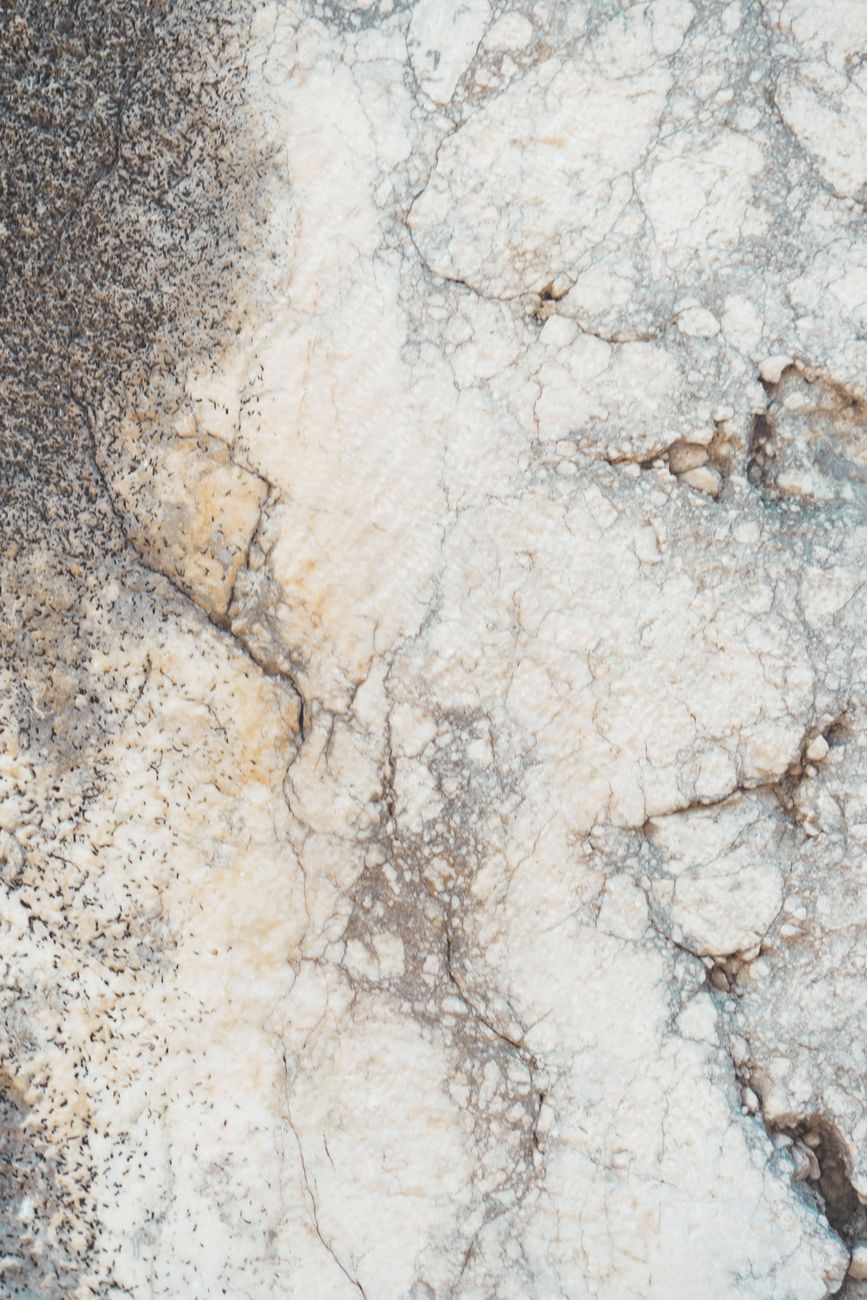
sculptor
Marble
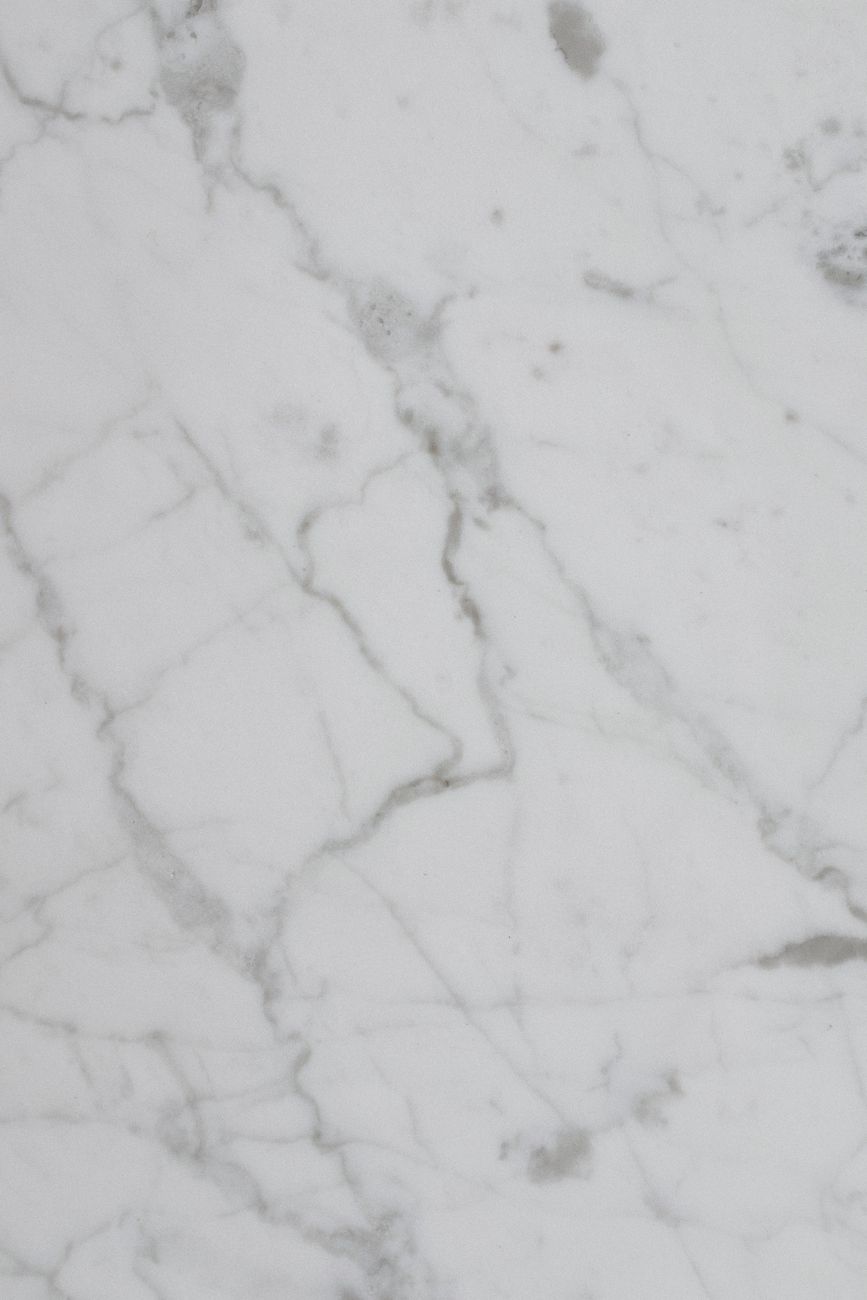
Soft, glowing, carves like butter — the sculptor's stone.
polish 8/10
A field guide and working handbook for stone — where it comes from, how it's cut, and how to carve it yourself.
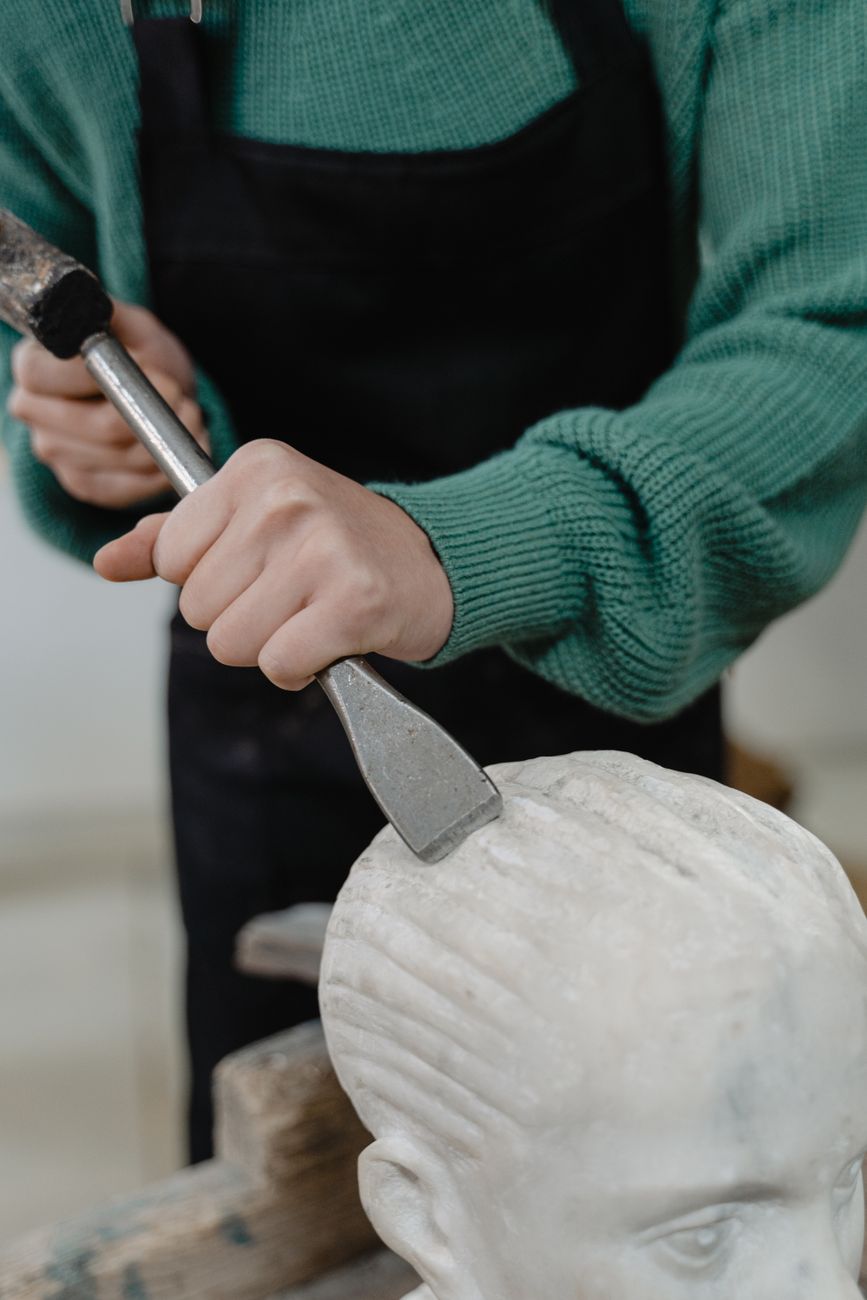
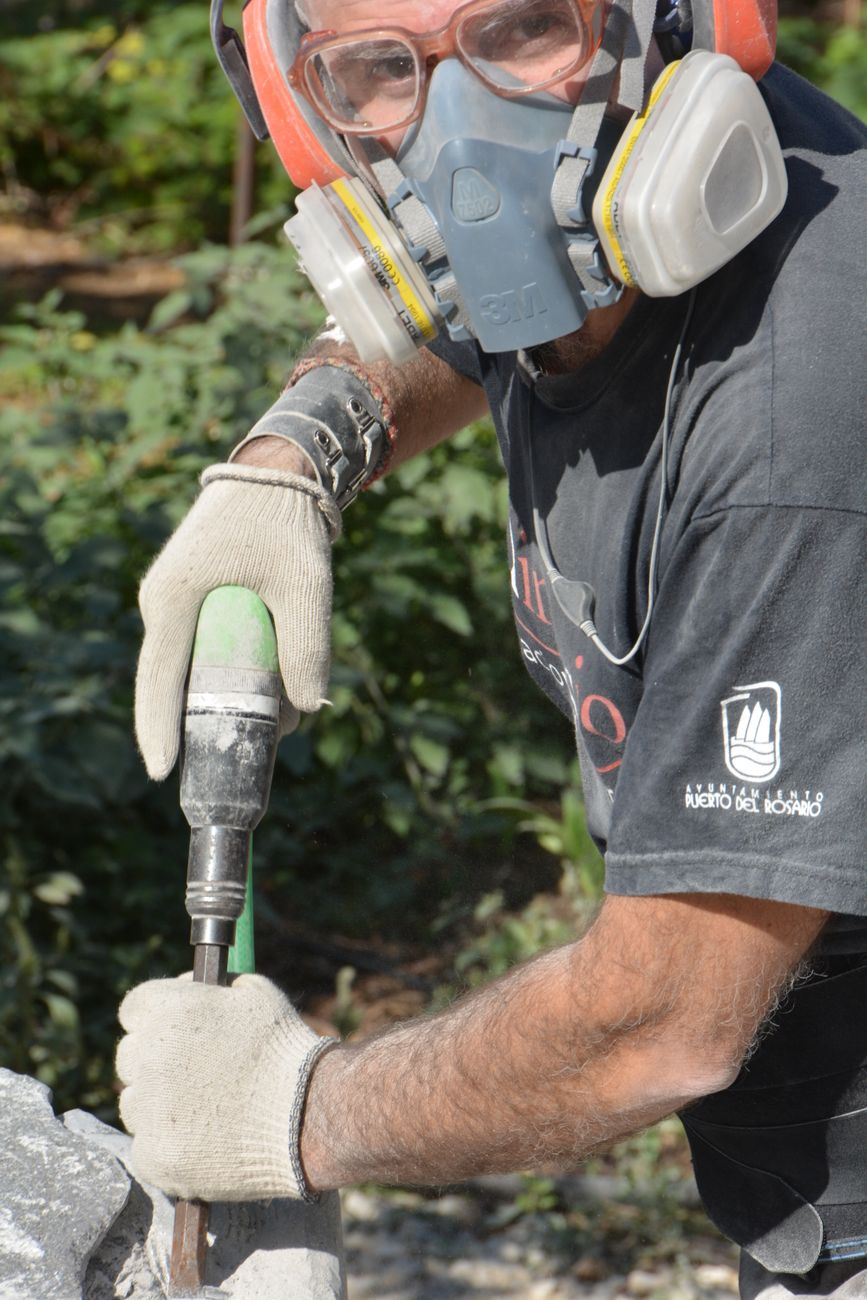
No gatekeeping. Just stone, tools, and the order of operations.
Every rock has a grain, a hardness, and a temper. Read them first, and it tells you how to cut.
Splitting, chiselling, polishing — each follows the bed line the earth laid down.
Sand, hone, and seal until the stone shows you what it's been hiding for a million years.
Every slab is a slice of the earth's own history, cut perpendicular to time.
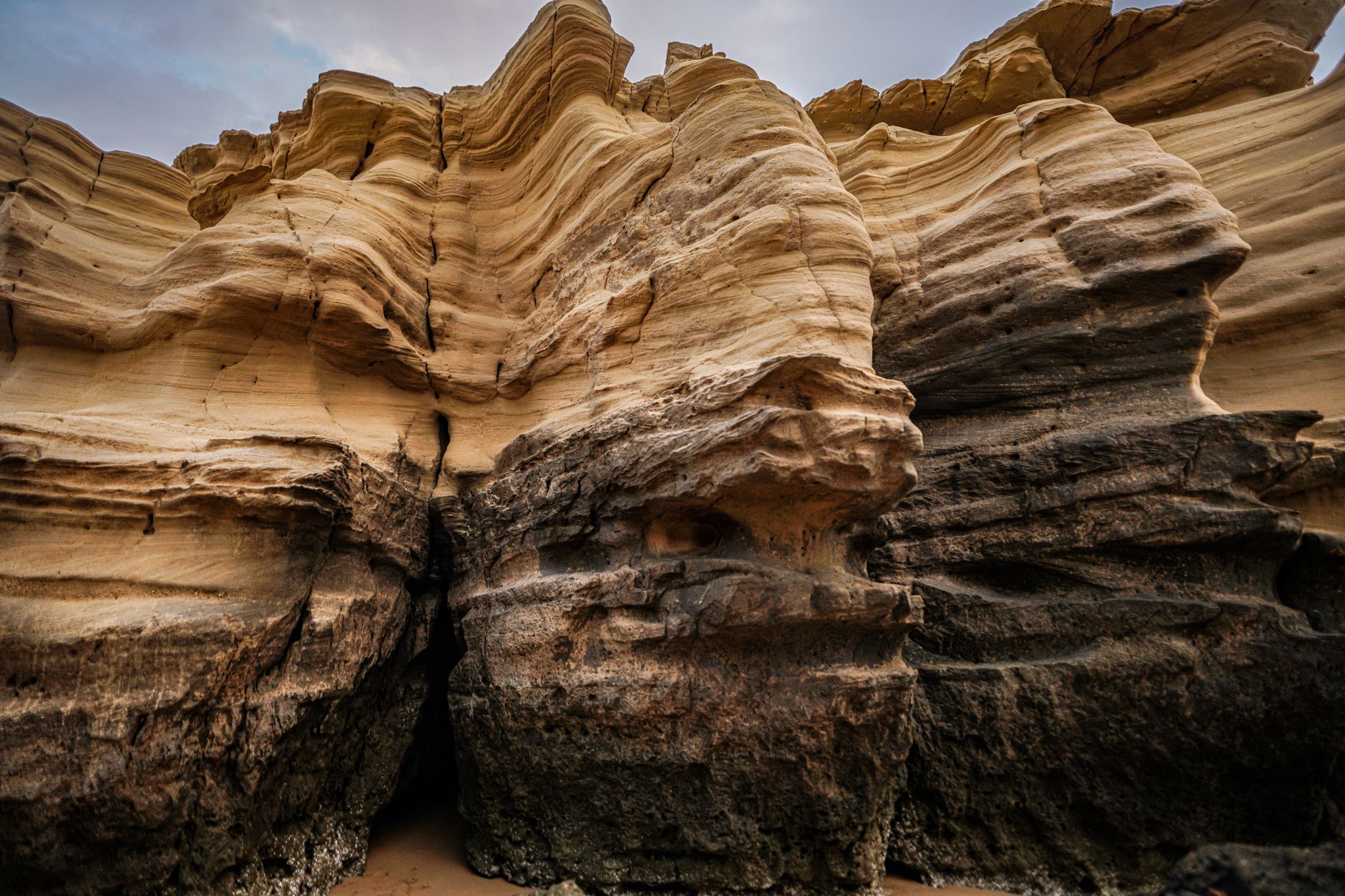
loose and living
desert dunes, fused
an old sea floor
compressed mud
frozen magma
the base of it all
One block, four stations, a thousand years of patience each.
The block is split from the face along its natural bed, weighed, and numbered.
Bridge saws and wire saws slice it into slabs, each one a mirror of the last.
You walk the yard and pick the face you'll live with — veining is a fingerprint.
Templated, carried in whole, levelled and sealed. It outlives the room.
A handbook, a guide, and a community of people who cut.
Marble, granite, limestone, quartzite, soapstone — what each one is and how it cuts.
The point, the claw, the flat. Splitting, pitching, polishing, lettering.
Read strata, the rock cycle, fossils, and Mohs hardness like a field geologist.
Monuments, kitchens, fireplaces, dry stone — documented from brief to set.
The quarry index updates as masons join — live, from our backend.
From Carrara to a field wall in Wales — the same rock, the same craft.
Shot where the stone actually happens.
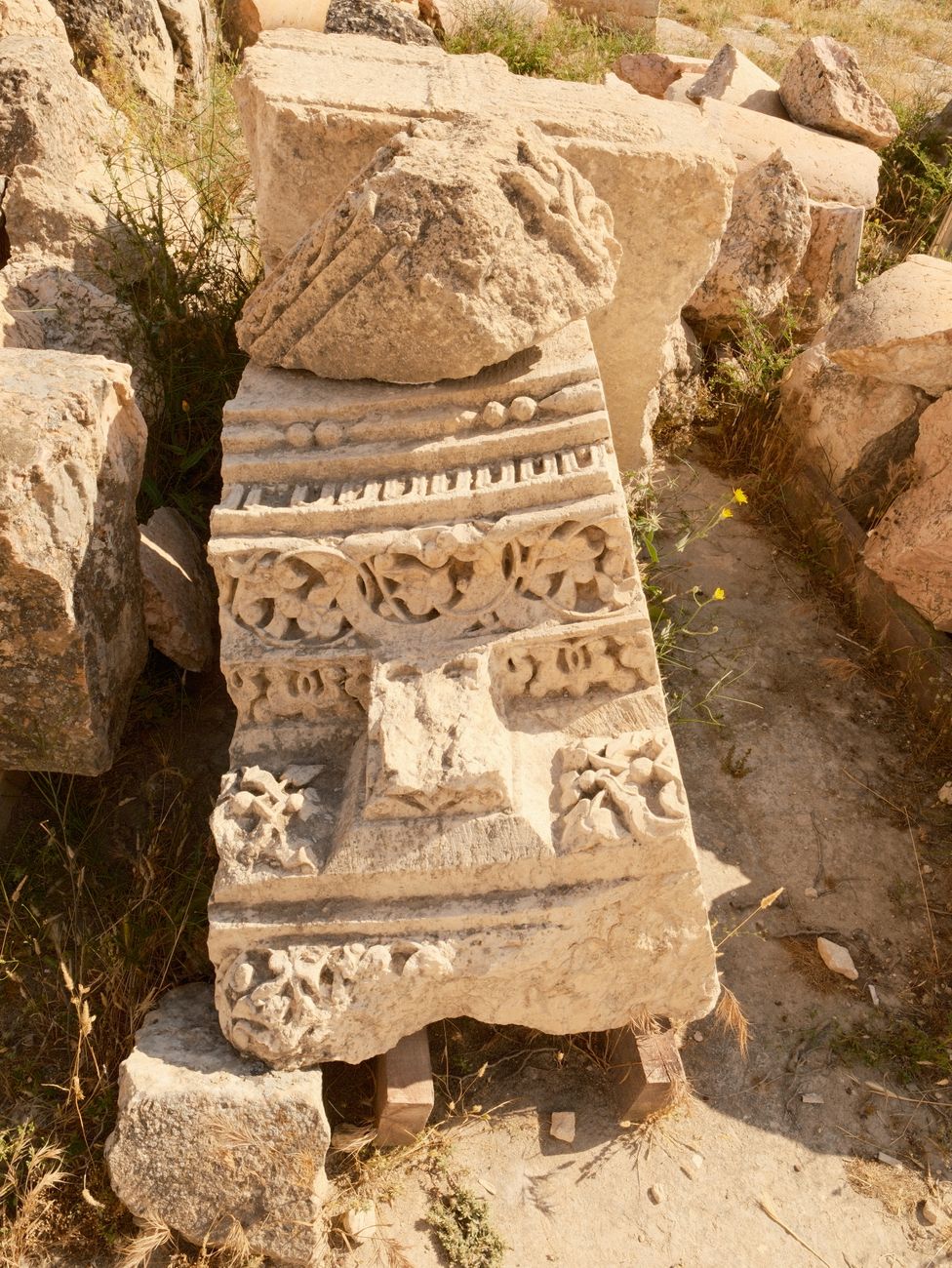
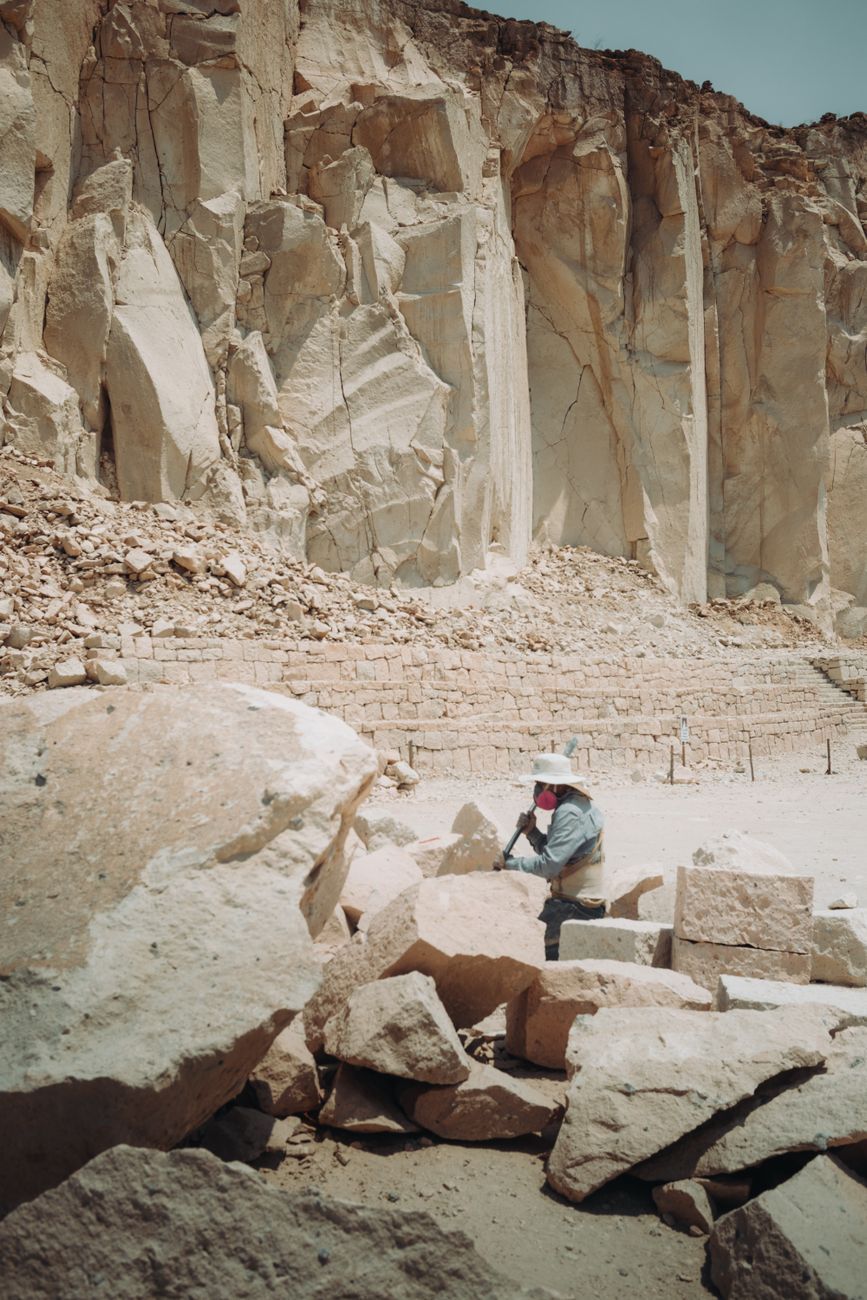
One block, one blade, no hurry.
The stone decides the job.
Soft, glowing, carves like butter — the sculptor's stone.
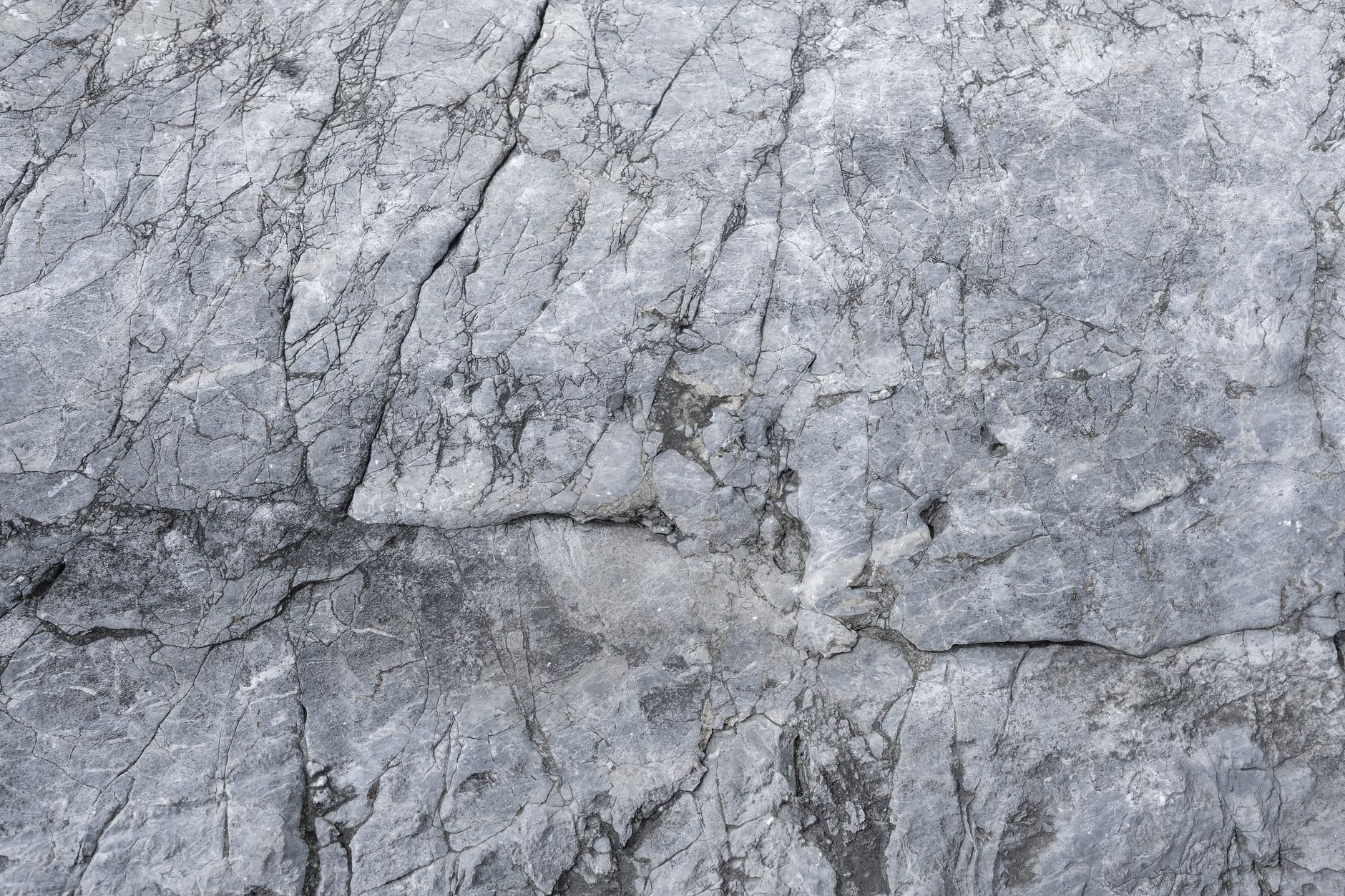
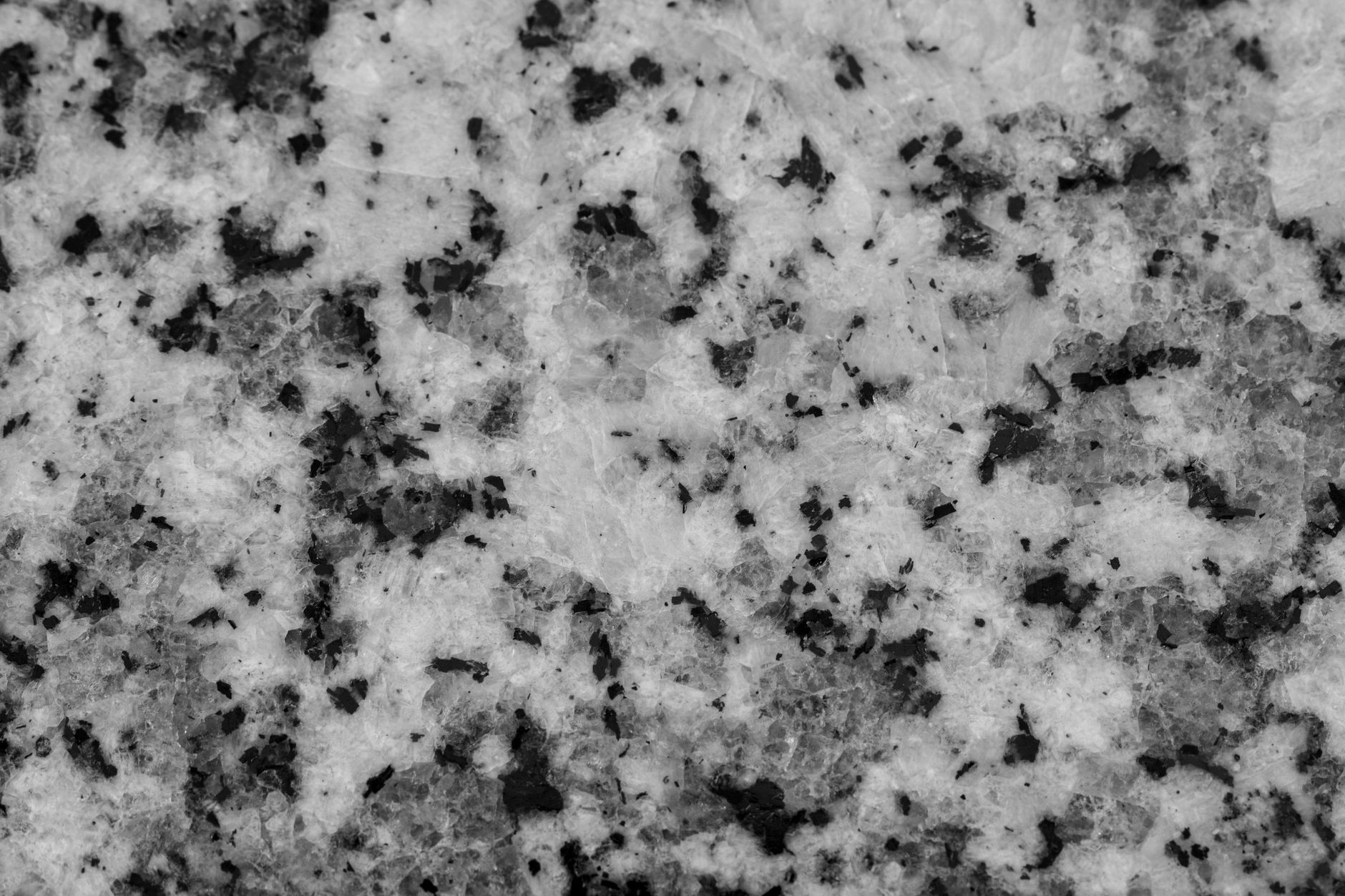
Nearly unbreakable, speckled, eternal — curbs and monuments.
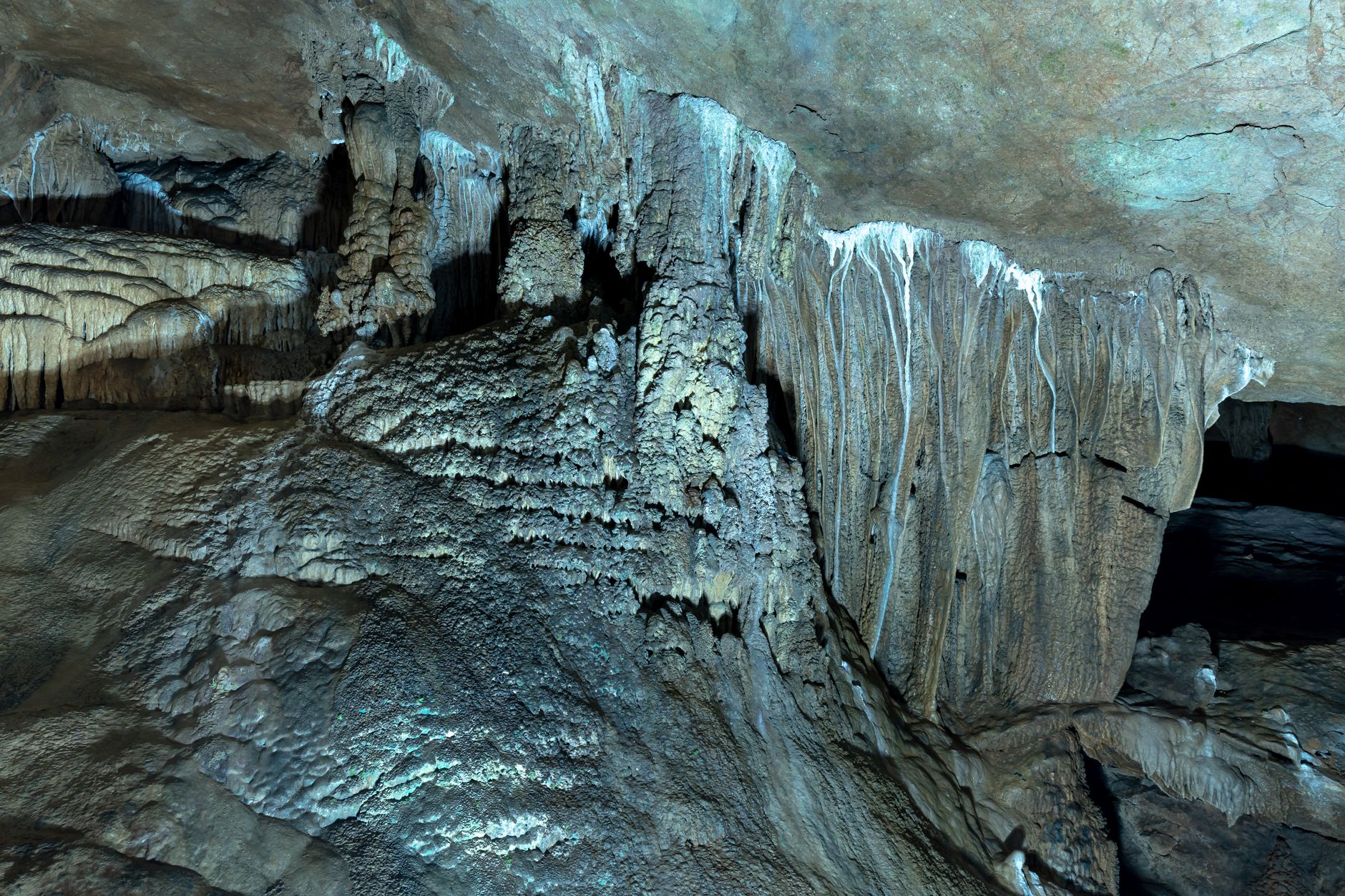
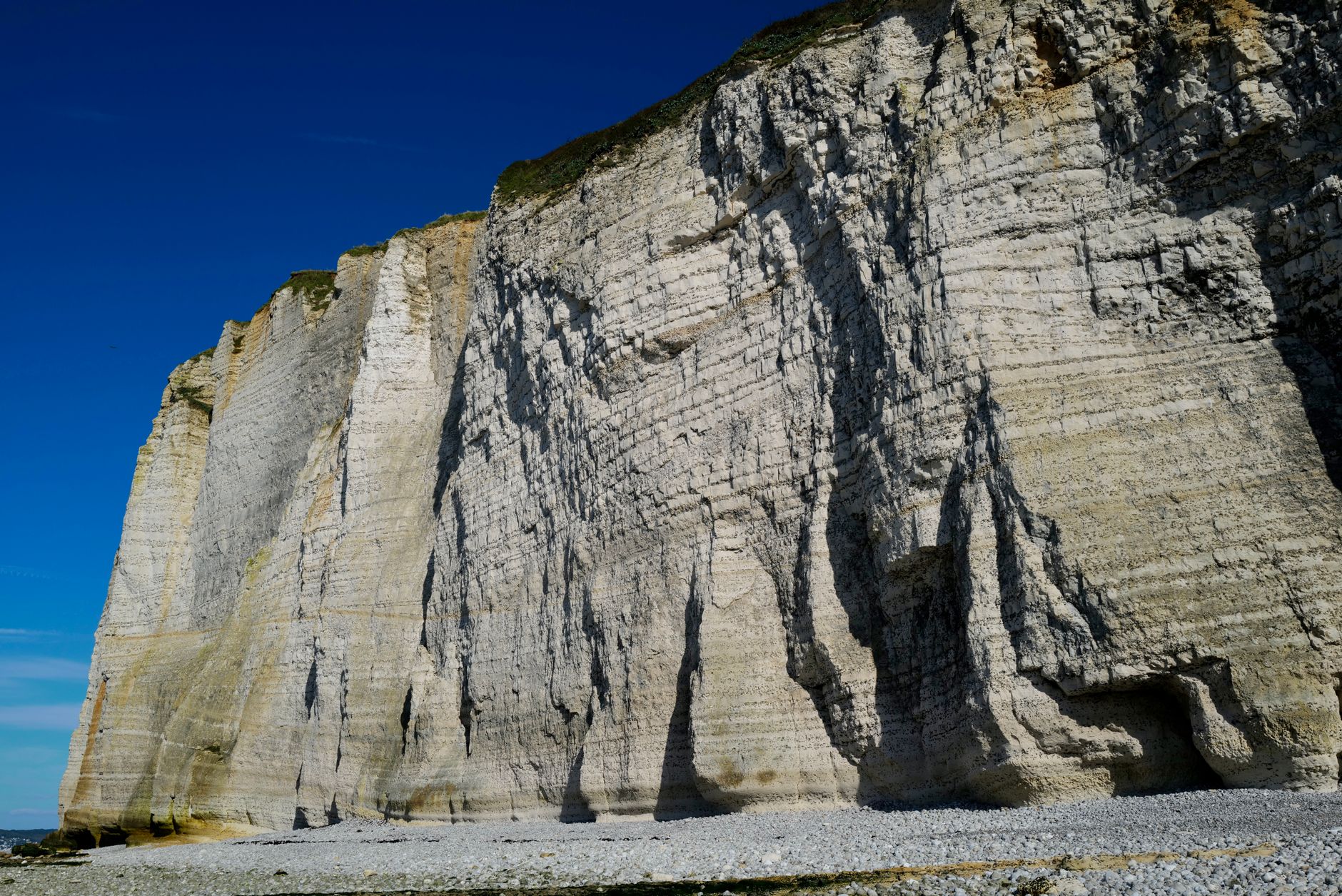
The stone the great churches are made of — forgiving and fine.
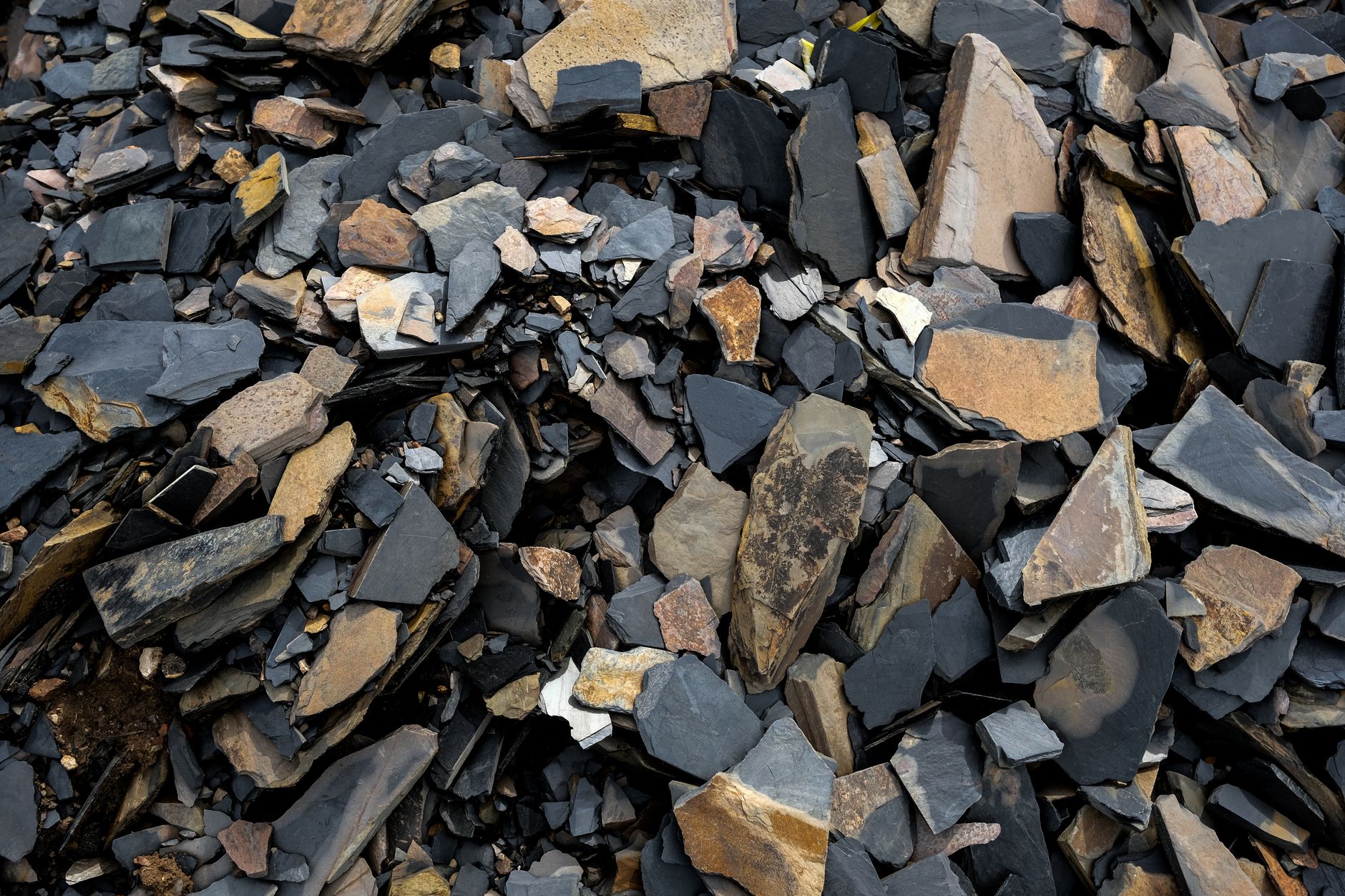
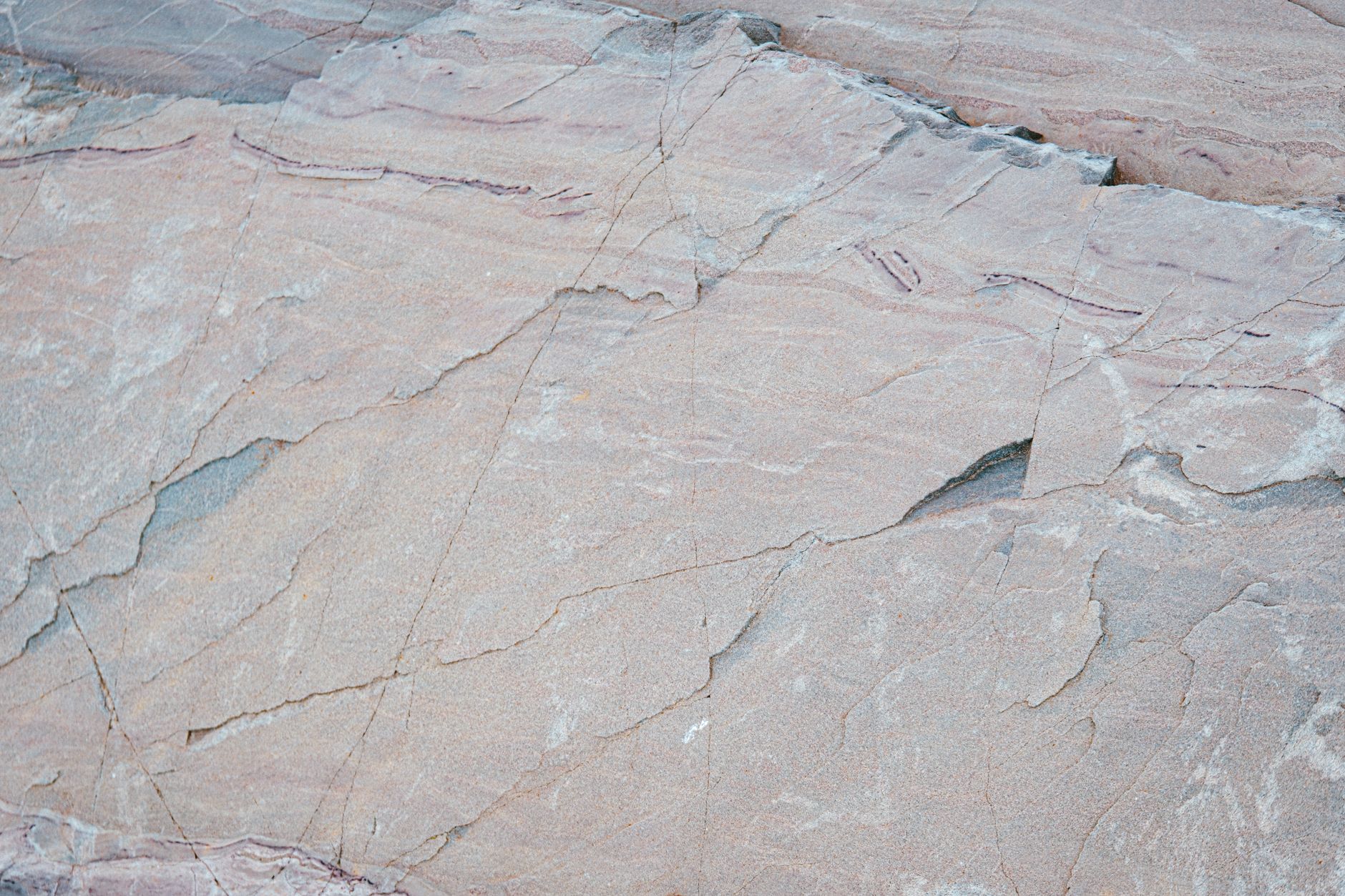
Splits into thin sheets along its grain — roofs and floors.
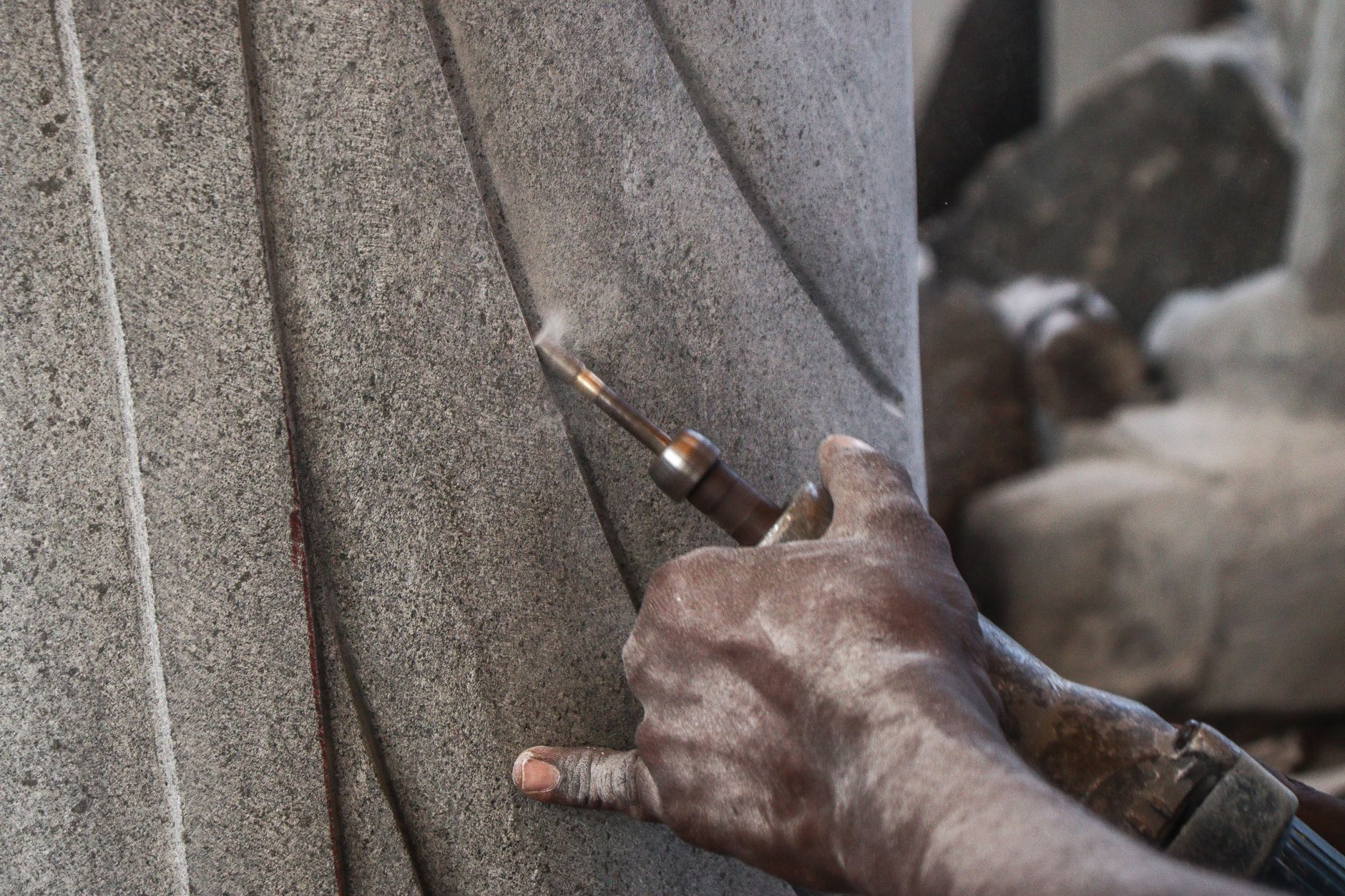
I was eleven when I first cut granite, in my grandfather's yard outside Szeged. He handed me a point chisel and a 2 lb mallet and said: the stone is already finished. You are just taking away what isn't it.
I've spent thirty years doing that — taking away what isn't the stone. And what I learned is that stone doesn't care about your plans. It has a grain, a temper, and a few million years of history, and it will have its own way if you let it.
So this is the invitation: learn to read it, then let it have its way. That's the whole craft, and it's the whole of this site.
Live, from our backend.
People who cut, and what they cut.
"I templated my own kitchen and cut the slab in the workshop's open night. The site walked me through every grit."
"The geology layer is the first thing that ever made strata click for me. I read a roadcut on my commute now."
"Cut my first letters into limestone this spring, V-cut and all. My hands still smell like the quarry."
Where we're cutting next.
Stone & geology handbooks live — five stones, four crafts, four fields of geology.
The yard map — find quarries, workshops, and open nights near you.
Video workshops, filmed in working yards, with real masons at the bench.
Project journals — document your own carve from block to set, and share it.
cut from the earth.